Using Tariff Engineering to Lower Your 2026 Import Costs

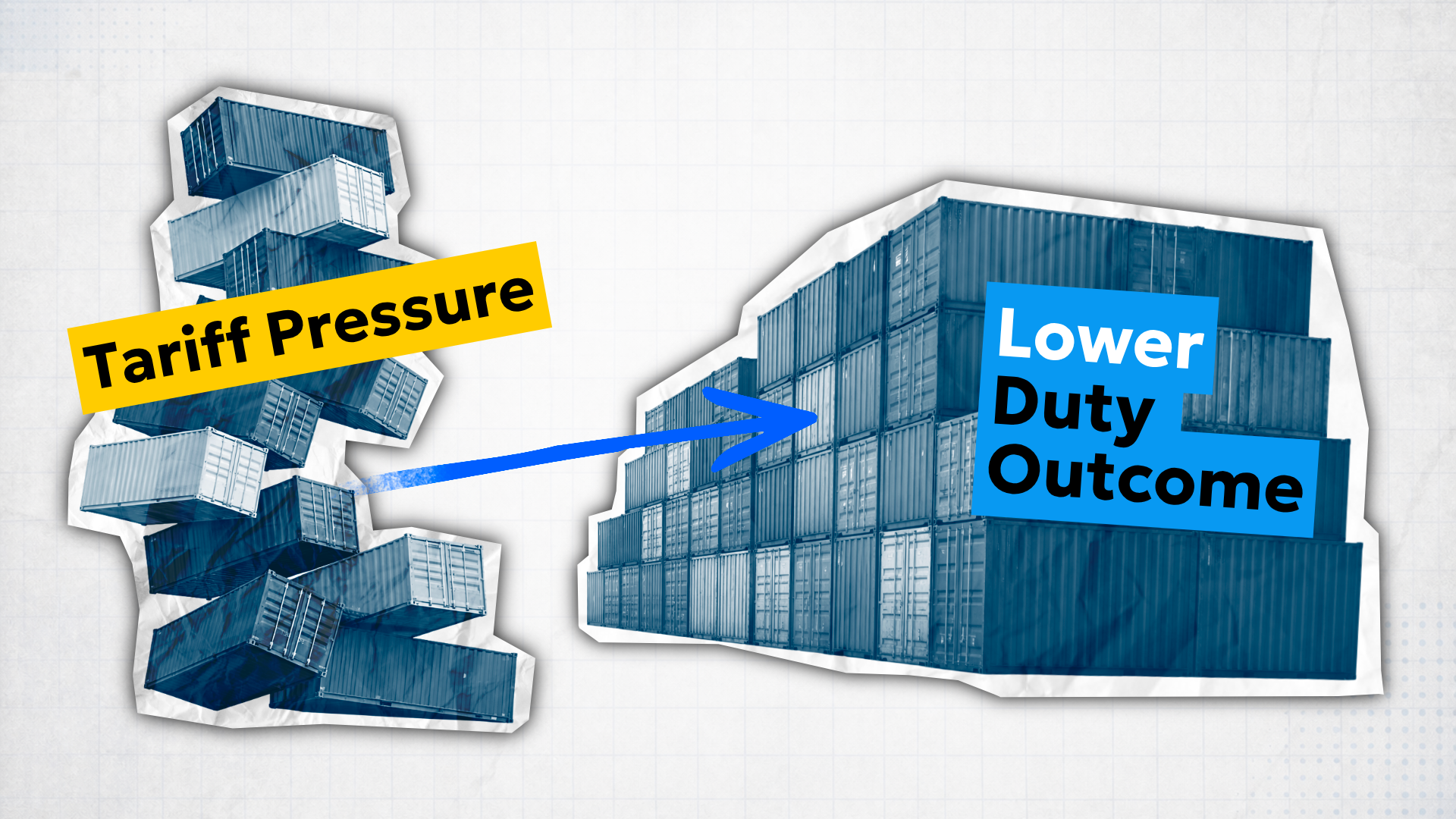
The current trade environment is putting real pressure on importers. A 10% flat surcharge on most U.S. imports is active through July 24 under Section 1221 and USTR launched sweeping Section 301 investigations in March, covering 16 major economies, with new tariffs potentially landing as early as mid-year.2 For importers with significant duty exposure, waiting to see how these policies shake out is not a reliable or recommended strategy.
Tariff engineering can be one of the most effective (and legal) tools available for reducing that exposure and protecting margins.3 This article explores what tariff engineering is, how importers can use it without violating customs regulations, why working with an experienced and knowledgeable logistics partner is critical to the process.4
What Is Tariff Engineering?
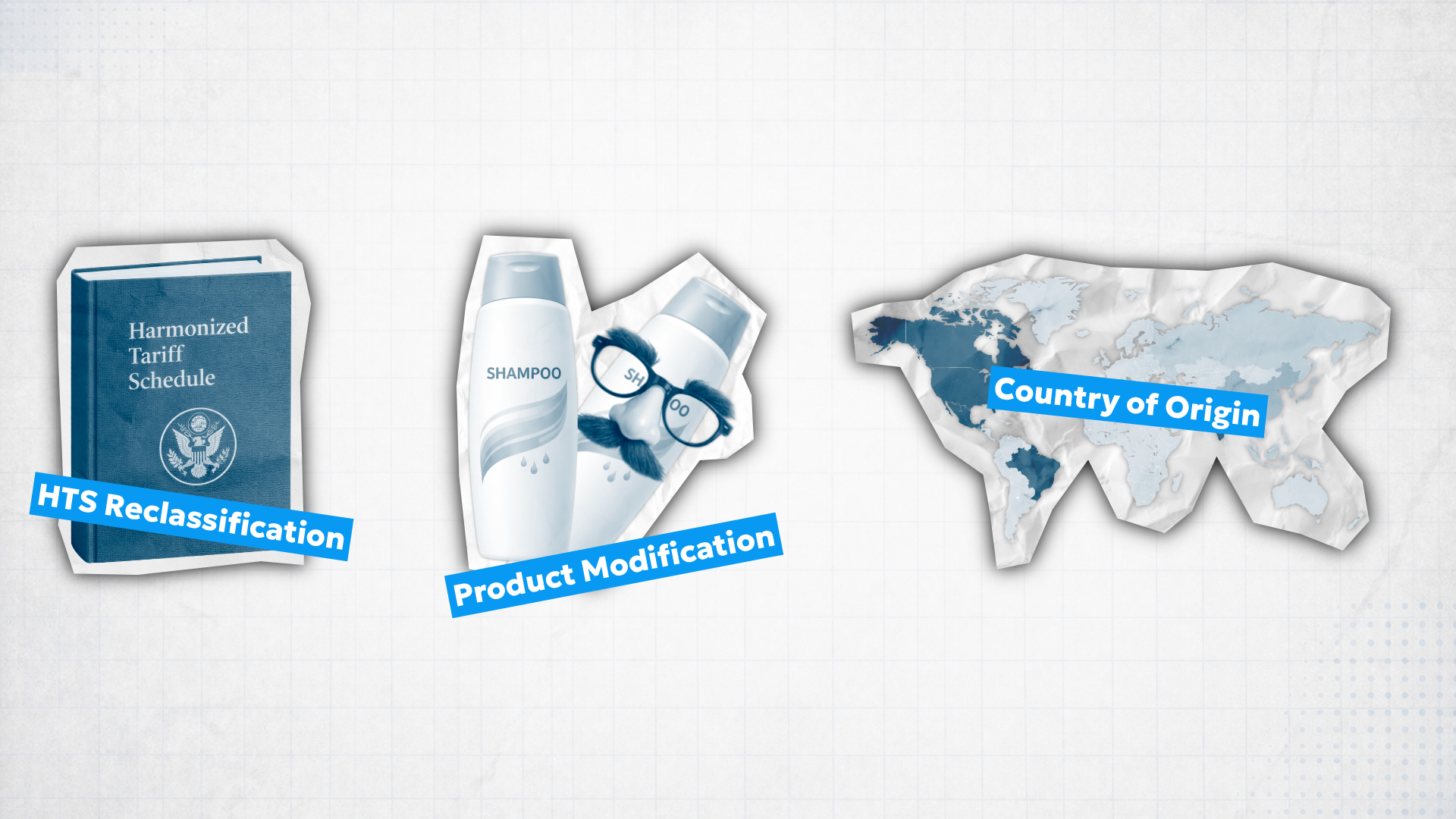
Tariff engineering is the legal practice of modifying a product's physical characteristics, manufacturing process, or supply chain structure so that it qualifies for a more favorable HTS classification and a lower duty rate.3 It changes what a product is or how it is made, not just how it is described on a customs form.8
This is a proactive, structural strategy. It requires substantial changes upstream, whether in product design, assembly, sourcing, or supply chain configuration, and those changes have to be legitimate. CBP audits classifications and can inspect goods at the border, so ensuring products meet new class requirements is essential.5
Tariff Engineering vs. Tariff Misclassification: What's the Difference?
Misclassification means declaring a product under an HTS code it does not qualify for, with no underlying change to the product or process. That is customs fraud, and CBP penalizes it with fines, additional duties, and in serious cases, criminal referral.6
Tariff engineering, on the other hand, means the product or process materially changes so that a different HTS classification applies. The test is simple: does the product genuinely meet the criteria for the new code? If yes, the lower duty rate is legitimate. If a classification change happens without a real underlying modification, it is likely a misclassification.3,4
Knowing where that line between the two is important, but what importers actually want to know is where the opportunities are.
The current trade environment is putting real pressure on importers. A 10% flat surcharge on most U.S. imports is active through July 24 under Section 1221 and USTR launched sweeping Section 301 investigations in March, covering 16 major economies, with new tariffs potentially landing as early as mid-year.2 For importers with significant duty exposure, waiting to see how these policies shake out is not a reliable or recommended strategy.
Tariff engineering can be one of the most effective (and legal) tools available for reducing that exposure and protecting margins.3 This article explores what tariff engineering is, how importers can use it without violating customs regulations, why working with an experienced and knowledgeable logistics partner is critical to the process.4
What Is Tariff Engineering?
Tariff engineering is the legal practice of modifying a product's physical characteristics, manufacturing process, or supply chain structure so that it qualifies for a more favorable HTS classification and a lower duty rate.3 It changes what a product is or how it is made, not just how it is described on a customs form.8
This is a proactive, structural strategy. It requires substantial changes upstream, whether in product design, assembly, sourcing, or supply chain configuration, and those changes have to be legitimate. CBP audits classifications and can inspect goods at the border, so ensuring products meet new class requirements is essential.5
Tariff Engineering vs. Tariff Misclassification: What's the Difference?
Misclassification means declaring a product under an HTS code it does not qualify for, with no underlying change to the product or process. That is customs fraud, and CBP penalizes it with fines, additional duties, and in serious cases, criminal referral.6
Tariff engineering, on the other hand, means the product or process materially changes so that a different HTS classification applies. The test is simple: does the product genuinely meet the criteria for the new code? If yes, the lower duty rate is legitimate. If a classification change happens without a real underlying modification, it is likely a misclassification.3,4
Knowing where that line between the two is important, but what importers actually want to know is where the opportunities are.
Tariff Engineering FAQs
Is tariff engineering legal?
Yes - when done correctly. Tariff engineering is a recognized, legal practice under U.S. customs law. It involves making meaningful changes to a product, its manufacturing process, or supply chain structure so that it legitimately qualifies for a different HTS classification. It is not legal to misrepresent a product's classification without actually changing the product.3,6
What's the difference between tariff engineering and customs fraud?
Can CBP challenge a tariff engineering strategy?
Yes. CBP can audit classifications, request documentation, and issue penalty notices for anything it flags as a potential misclassification. This is why defensible documentation, binding rulings, and expert guidance are critical. Working with a knowledgeable customs broker and logistics partner significantly reduces this risk.5,6,4
How do I know if my products are good candidates for tariff engineering?
Sources
3. Merritt v. Welsh, 104 U.S. 694 (1881)
4. 19 CFR Part 177 - Administrative Rulings
5. U.S. Customs and Border Protection - Audits
6. 19 U.S.C. § 1592 - Penalties for Fraud, Gross Negligence, and Negligence
7. United States International Trade Commission - HTS Announcements
8. Harmonized Tariff Schedule of the United States
9. International Trade Administration - Rules of Origin: Substantial Transformation
10. U.S. Customs and Border Protection - First Sale Declaration
11. CBP CROSS - Customs Rulings Online Search System
12. U.S. Customs and Border Protection - Reasonable Care
13. Dedola Global Logistics - Item Descriptions Are the First Line of Defense in Avoiding Tariffs